Spotify Faces Growing User Defections Amid Royalty, AI, and Physical-Media Concerns
Spotify generated $19.81 billion in revenue in 2025 and still commands more than 760 million monthly active users, including 293 million paying subscribers, according to its 2026 corporate profile. Yet a growing segment of listeners is abandoning the platform, citing a mix of low artist payouts, the rise of AI‑generated music, and a perceived decline in user experience.
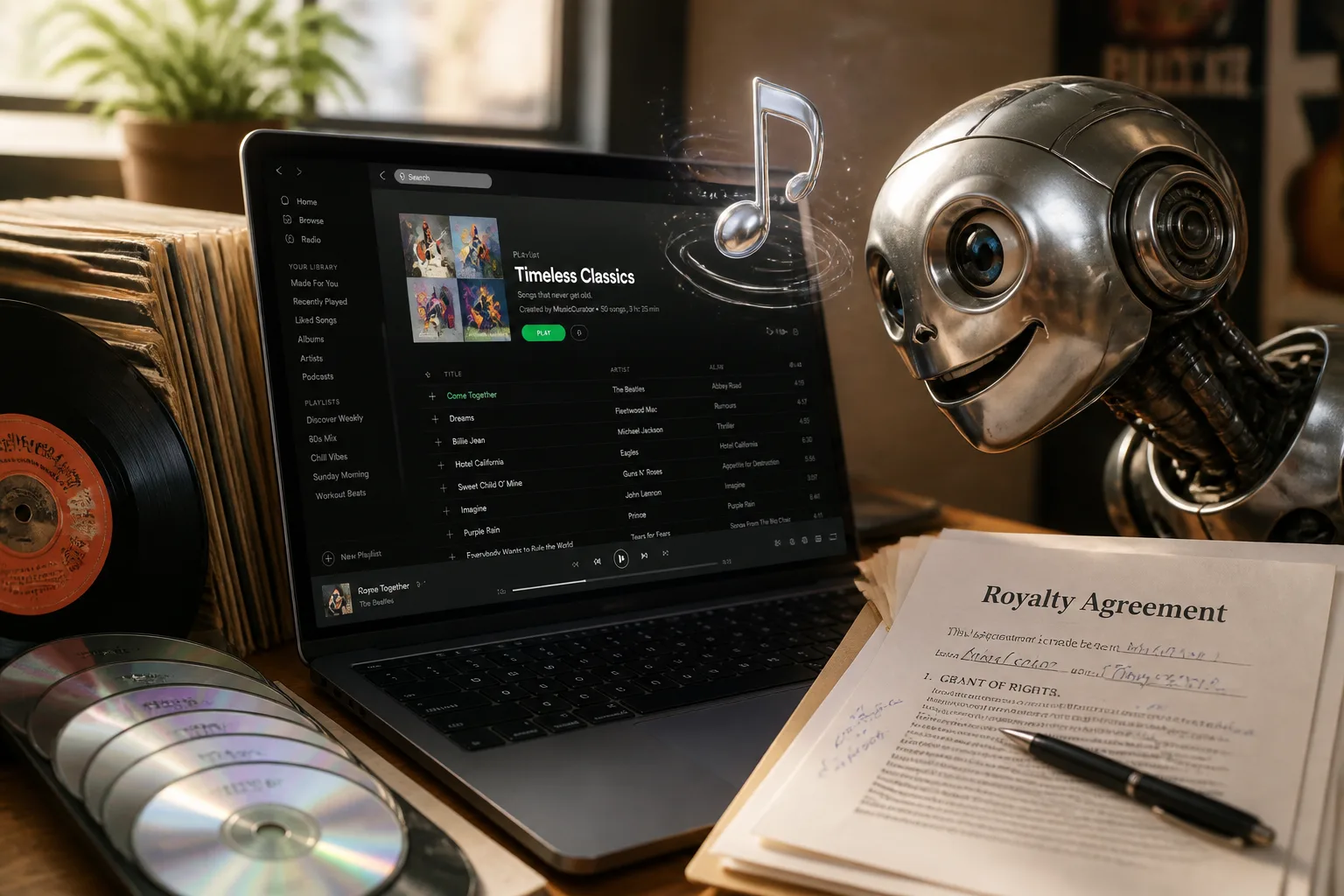
Artist compensation remains the most cited grievance. In 2024 Spotify announced a royalty‑payment adjustment, but independent artists and industry observers report that the average per‑stream rate stays between $0.003 and $0.005, which is lower than on some competitors. The company distributes roughly 70 % of its revenue to rights holders, who then split payments with artists. Critics argue that the payout model still favors major labels and leaves many musicians with insufficient income. The issue has a long history; Taylor Swift withdrew her catalog in 2014 over similar concerns.
The platform’s growing AI presence has also sparked backlash. In 2025 Spotify partnered with Sony, Universal, Warner, and Merlin to develop “responsible AI” tools, a move that the company said would protect artists’ rights. Nevertheless, users on Reddit and Facebook have complained that AI‑generated tracks, some of which have attracted record deals, flood Discover Weekly playlists and dilute the value of human‑created music. The company has introduced badges to differentiate AI content, but the trend continues to fuel user frustration.
Beyond compensation and AI, several technical and design issues have pushed listeners toward alternative services or physical media. Users report bugs, sluggish performance, and a decline in the quality of algorithmic recommendations. The addition of video content in 2024, which some listeners likened to a TikTok‑style scrolling experience, prompted the option to disable video, indicating the company’s awareness of the problem. Reports from user forums highlight that long‑time subscribers now consider leaving or even pirating music because of these app problems.
A parallel shift is occurring in the broader consumption habits of younger audiences. In 2025, physical CD sales outpaced digital album sales by a 3:1 margin, according to industry data. Gen Z and millennials are increasingly drawn to owning tangible music collections, citing the intimacy of listening to an album front‑to‑back without algorithmic interruption. This trend is reflected in the growing popularity of vinyl and CD reissues, suggesting that the streaming‑centric model may not satisfy all market segments.
The cumulative effect of these factors is a measurable churn rate that Spotify has not publicly quantified. While the company continues to dominate the streaming market, the convergence of low artist royalties, AI‑generated content, app performance issues, and a resurgence of physical media is reshaping user expectations. The industry will likely see further pressure on streaming platforms to adjust royalty structures, refine AI policies, and improve user experience.
In the near term, Spotify’s next steps include ongoing negotiations with record labels on AI usage, potential further royalty adjustments, and continued investment in app stability. The broader music ecosystem will monitor how these developments influence both consumer behavior and artist revenue streams.