Londons 2026 Music Summer Boosts Economy, Mayor Highlights Record-Breaking Venues
Sadiq Khan, Mayor of London, delivered a high‑profile address at the city’s Town Hall on Monday, celebrating the summer of 2026 as a watershed moment for London’s music industry. He praised the record‑breaking stadium runs, the influx of visitors, and the economic ripple effect that followed, underscoring the city’s status as a global music capital.
The summer’s headline acts drew millions into London’s biggest arenas. Ariana Grande’s final stop on her Eternal Sunshine tour at the O2 marked the venue’s busiest August on record, with 16 sell‑out dates that included the first UK appearances by girl‑group Katseye. Harry Styles capped a 12‑night residency at Wembley Stadium, a run that industry analysts estimate will inject £1.1 billion into the local economy. Jay‑Z and Bad Bunny electrified Tottenham Hotspur Stadium, while the London Stadium hosted more than 350,000 fans for Take That and Metallica. Across the city, parks and open‑air stages hosted large festivals that pulled in hundreds of thousands of attendees.
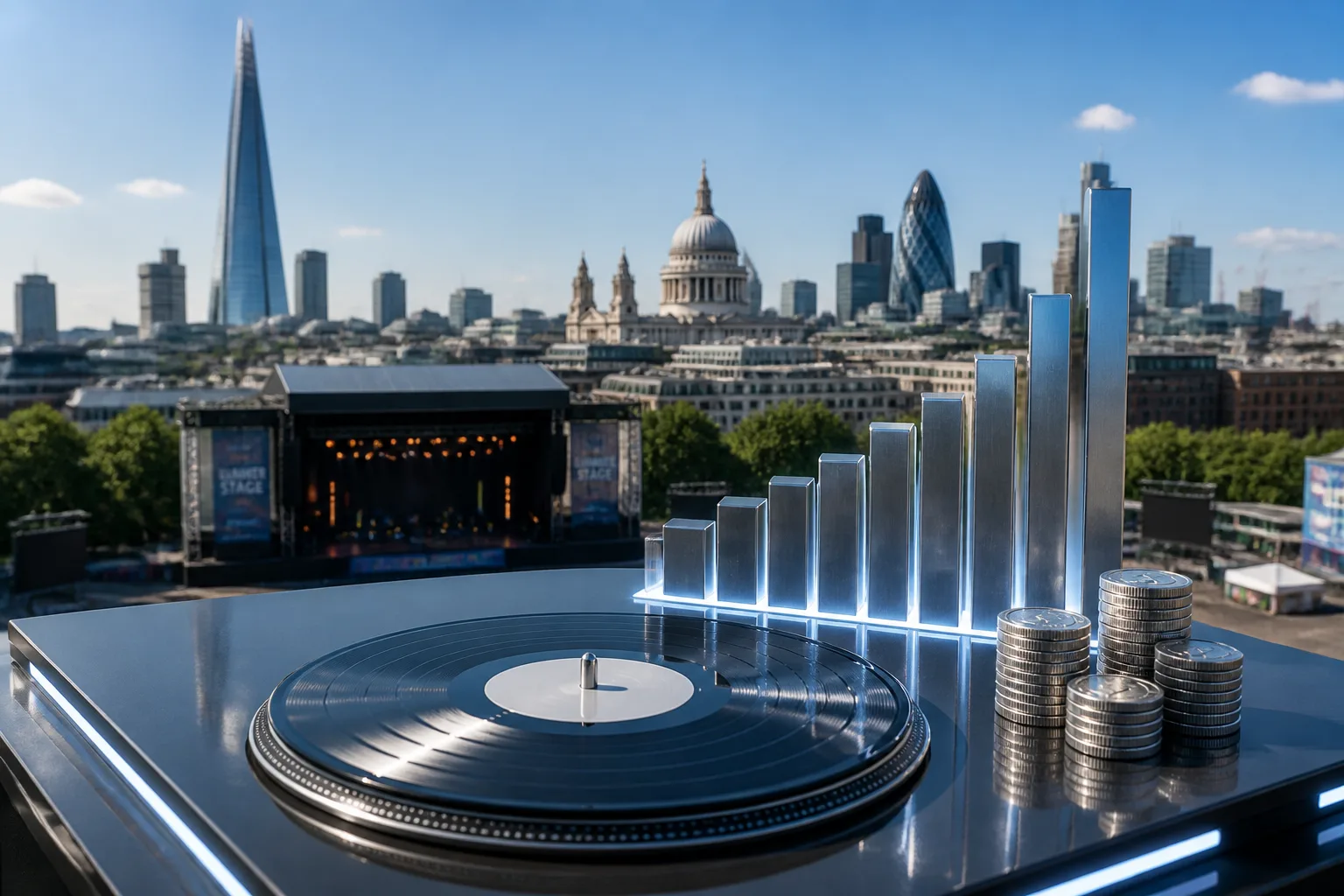
Economic data from the previous year reinforce the scale of the impact. In 2025, London’s music sector attracted 9.1 million visitors and generated £3.4 billion in revenue, a jump of over 27 percent from 2024. The projected £1.1 billion spending from Styles’ Wembley run alone represents a substantial portion of that total, illustrating how marquee acts can drive citywide economic activity. The Music Venue Trust’s latest report shows a 2.3 percent rise in UK audience numbers compared with 2025, indicating sustained growth across the sector.
Beyond the megastructures, grassroots venues continue to be the lifeblood of London’s music ecosystem. These smaller spaces, ranging from intimate club nights to community‑run halls, host a wide spectrum of genres and provide launchpads for emerging talent. The Trust’s data confirm that audience numbers at these venues have increased, reinforcing the city’s reputation as a diverse and vibrant music hub. The mayor highlighted that the collective output of these venues underpins the larger industry’s resilience.
In his remarks, Khan said the summer “has shown once again why we are the best in the world” and that the music industry’s economic impact continues to grow. Deputy Mayor for Culture and the Creative Industries, Justine Simons OBE, added that the summer “illustrated music’s power to bring people together” and that London offers something for every taste. Their comments echo the city’s broader strategy to support creative enterprises, which includes investment in infrastructure, tax incentives, and community‑level programming.
The mayor’s statements come at a time when London is solidifying its leadership in the global music market. The combination of blockbuster stadium events, robust festival programming, and a thriving grassroots scene positions the city to attract even larger international acts in the coming years. With the summer’s successes now documented, the music industry remains poised for further growth, backed by both high‑profile events and a resilient network of local venues that continue to nurture talent and audiences alike.
As the summer concludes, London’s music community and city officials look forward to maintaining momentum. The data and statements suggest that the sector will keep expanding, with further opportunities for artists, venue operators, and ancillary businesses to benefit from the city’s cultural dynamism.