Skrillexs 2011 Laptop Theft Revealed in Rare Interview, Highlights Production Techniques
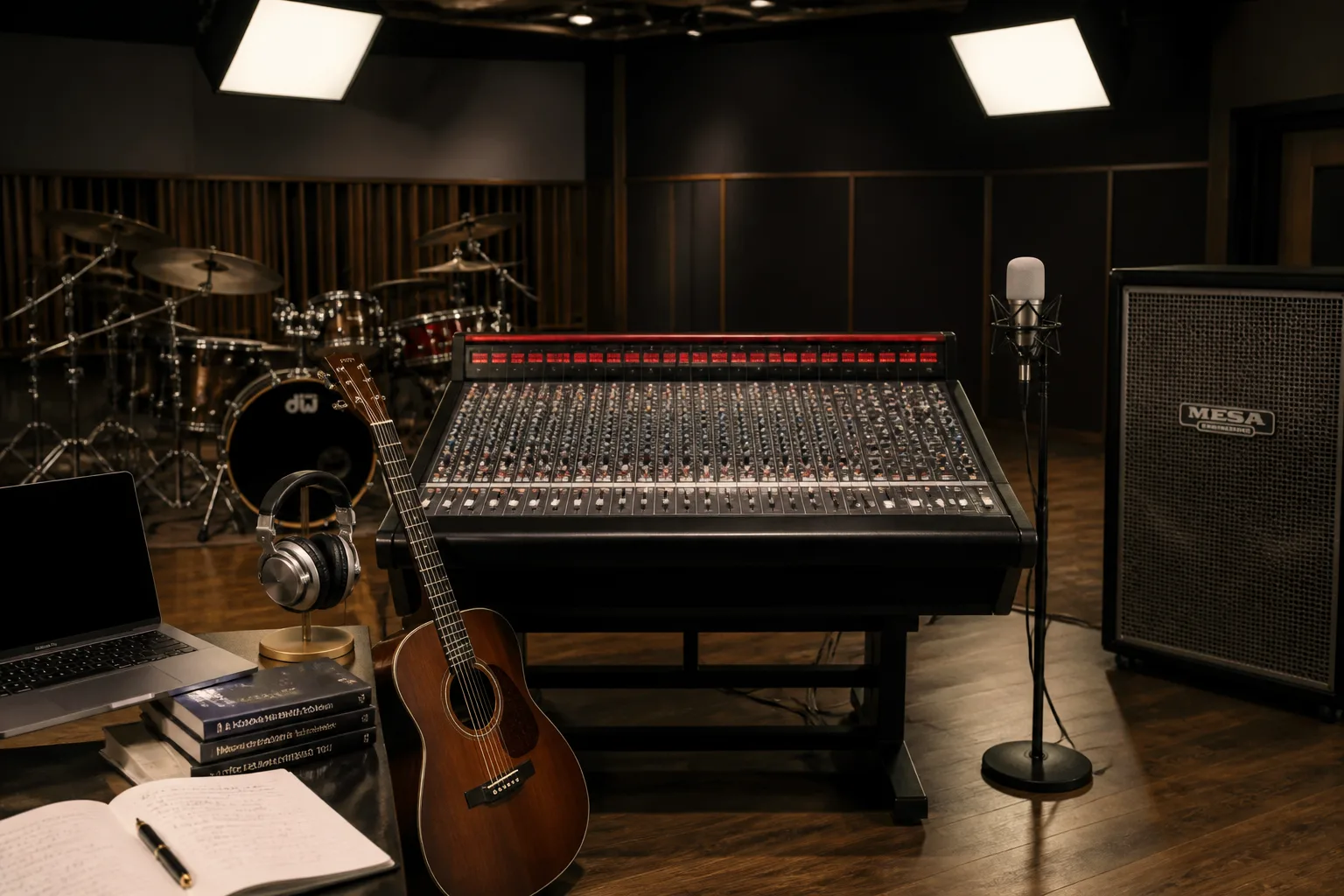
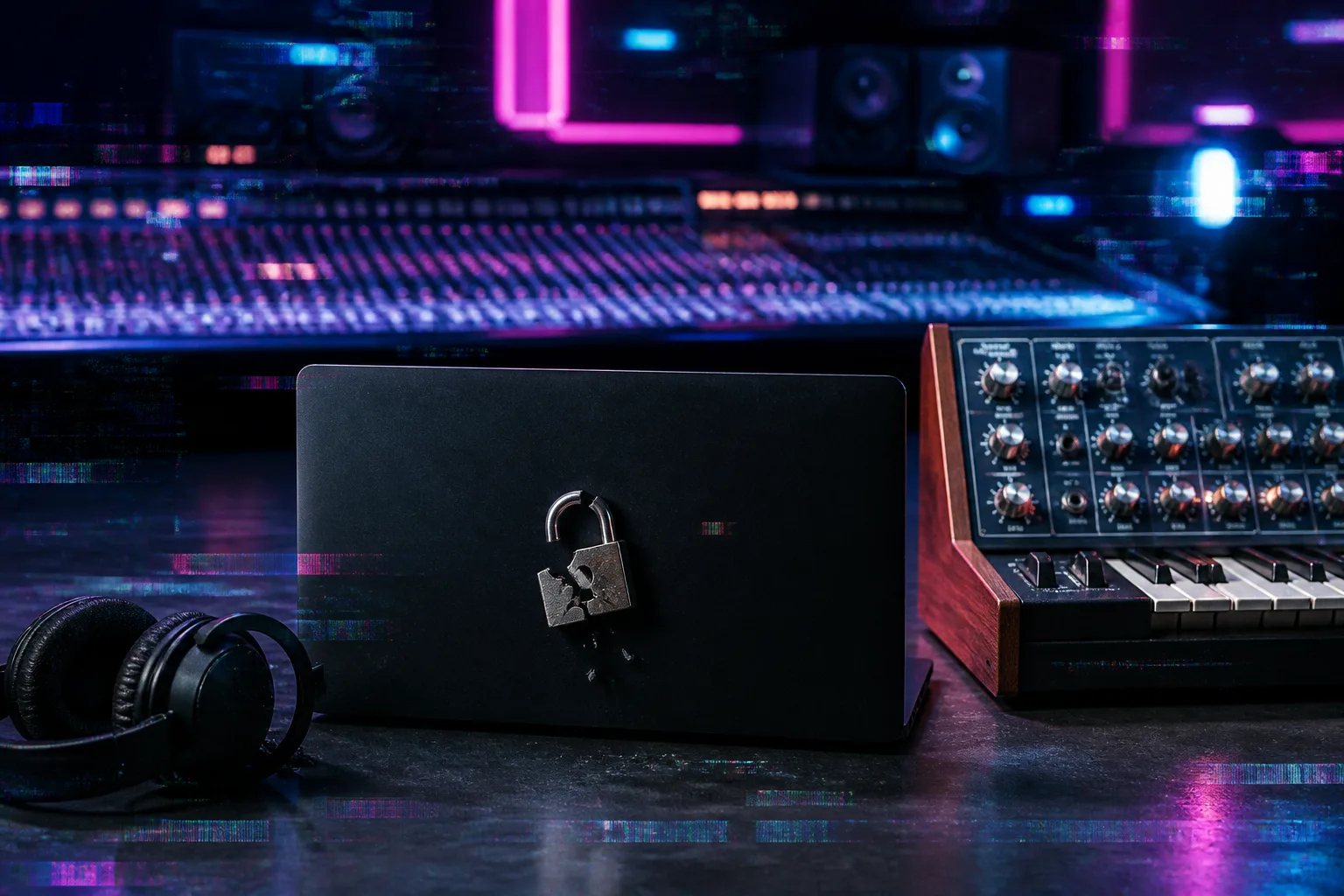
In a 2012 interview that surfaced in the Sound Stock News archive, Skrillex—real name Sonny John Moore—recounted the shock of having two laptops and two hard drives stolen from a Milan hotel room in 2011. The loss included an entire album’s worth of unreleased material, a blow that left the artist "aghast".
Moore’s journey began as the lead vocalist of the post‑hardcore band From First to Last in 2004. He departed the group in 2007 to pursue a solo career, eventually adopting the Skrillex moniker. By 2010 he had released the dubstep EP My Name Is Skrillex and the full‑length Scary Monsters and Nice Sprites, cementing his status as a key figure in early‑2010s electronic music. The 2012 interview came after Skrillex had already earned a Grammy for Best Dance/Electronic Album and was named the BBC’s Sound of 2012.
During the interview, the producer described the theft: "I had two laptops and two hard drives stolen from a Milan hotel room. It contained an entire album’s worth of new material." He expressed frustration that the loss occurred just before he planned to release the work. While the interview does not confirm whether the material was ever recovered, Skrillex has not issued any tracks that match the descriptions.
Beyond the theft story, the interview offers a window into Skrillex’s production philosophy. He labels his approach "minimal, unconventional," and stresses the importance of working on laptops and "blown speakers." One key technique he cited for creating a powerful drop involves ensuring the sample’s initial transient sits around 200 Hz. "Look through a spectrum analyser and you’ll see a little ‘dunk,’ and it should sound like that," he said. He described the transient as a brick that "bubbles out into the notes," giving the drum the loudest element in the mix for a brief moment.
When asked about the tools that shape his signature sound, Skrillex highlighted iZotope Trash and a plugin he called Ohmicide. He praised Trash for its "great distortion" capabilities and noted that Ohmicide offers "multiband distortion, compression, EQ and filter" in a single interface. Both plugins are widely used in professional audio workstations; iZotope Trash has been a staple for aggressive sound design since its first release.
The interview also touched on workflow challenges. Skrillex admitted that working quickly can leave project files messy if he neglects to label tracks. "It’s only evil when I work so fast that I haven’t properly labelled anything and my project files are all messy," he explained. He added that CPU spikes sometimes force him to bounce MIDI to audio—a process he finds "annoying" but necessary.
These plugin choices are set against recent industry developments. iZotope, the company behind Trash, was acquired by Native Instruments in 2023, later by InMusic in 2026, and then sold to Boris FX the same year. Each ownership change has influenced the distribution and support of iZotope’s tools across major digital audio workstations.
Skrillex’s experience with the stolen material and his candid discussion of production techniques illustrate the vulnerabilities and creative processes that shape modern electronic music production. While the unreleased tracks from the stolen laptops remain unreleased, the artist’s continued output—including albums such as Recess (2014) and the 2023 releases Quest for Fire and Don’t Get Too Close—demonstrates his resilience and ongoing influence in the industry.
The current situation is that Skrillex has not publicly addressed the fate of the stolen material beyond the 2012 interview. No new releases have been announced that reference the lost content. The artist continues to produce and perform, maintaining a prominent position in the global audio landscape.