
Digital Dominance, Vinyl Resurgence, and Artist Challenges Shape 2025 Music Industry
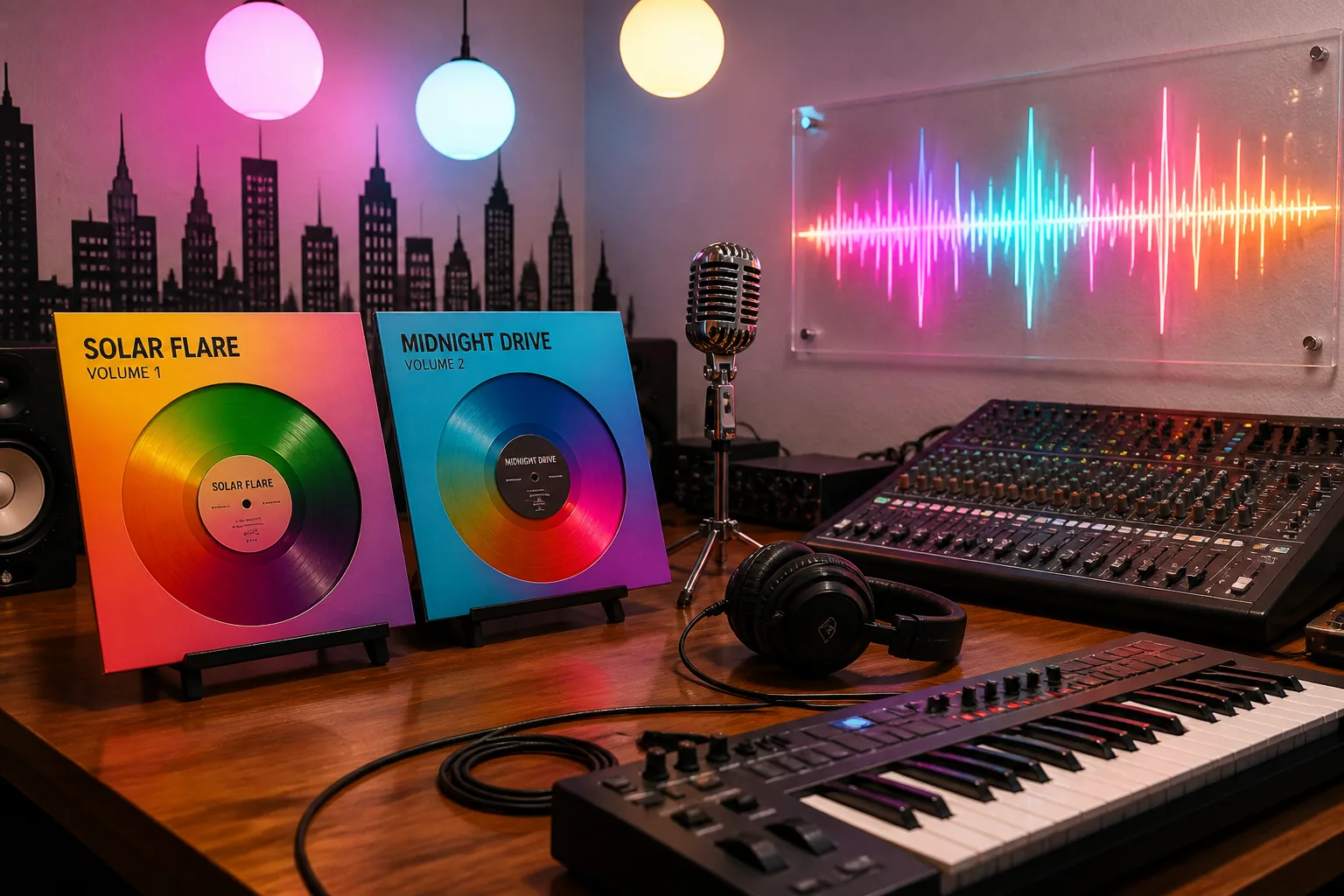
In 2025 the music world is still a digital behemoth, yet vinyl’s quiet revival proves that analog memories retain a foothold.
The Recording Industry Association of America (RIAA) reports that 84 % of U.S. music revenue in 2024 came from streaming and downloads, with streaming alone accounting for the bulk of that figure. The International Federation of the Phonographic Industry (IFPI) estimates the global recording industry’s value at $31.7 billion for 2025, a figure largely driven by streaming, followed by physical sales and performance‑rights income.
Vinyl sales have climbed for the nineteenth year in a row, reaching $1.04 billion in 2025, a 2026 RIAA report shows. While the figure is modest compared with the $1.6 billion generated by digital sales in the first half of 2016, it signals a sustained niche market that continues to grow. The RIAA’s 2024 year‑end report recorded $17.7 billion in total U.S. revenue, up 3 % from the previous year.
Artist compensation remains a point of contention. The RIAA reports that musicians receive only about 12 % of total industry revenue, a share that has not improved significantly in recent years. Median hourly pay for musicians and singers was $42.45 in 2024, according to the U.S. Bureau of Labor Statistics. The Living Wage for Musicians Act, introduced by Democratic representatives in March 2024, seeks to grant musicians additional royalties from streaming, but no legislative action has yet been taken.
The streaming model also shapes creative output. Artists are paid only when a track is streamed for at least 30 seconds, a rule that has encouraged some to release albums with many short songs. The average pop song length in the 2020s is 3 minutes and 15 seconds, a full minute shorter than in the 1990s, according to The Washington Post.
Gender representation remains uneven. A 2018 study of 700 Billboard‑top songs from 2012‑2018 found that women comprised just 21.7 % of all artists, 21.1 % of producers, and 12.3 % of songwriters. The industry also faces a high prevalence of harassment; the Musicians’ Union reported 350 complaints in 2019, mostly involving women, and 85 % of survivors chose not to report.
Talent scouting has shifted from club‑based discovery to data‑driven online searches. Major labels signed 658 new acts in 2017, a 12 % increase over 2014, according to the RIAA. Record labels typically invest $1 million per new artist, covering advances, studio costs, and marketing.
The digital ecosystem is saturated: Luminate’s 2024 year‑end report noted that users add roughly 99,000 new tracks to streaming platforms each day. Yet 99 % of all streams come from the top 10 % of tracks, underscoring the difficulty for emerging artists to gain visibility.
Physical formats still play a role in album length. The popularity of CDs in the 1990s pushed average album length to 15.8 tracks in 2003, up from 12.5 tracks in 1992, according to Harvard Business Review. The trend continues in the streaming era, with the average runtime of a top‑10 album in 2022 nearly 70 minutes, Billboard reports.
Industry employment remains robust. The RIAA’s 2024 report indicates that the music industry supports 2.5 million jobs in the United States, a figure that has slightly declined from 2012.
Looking ahead, Goldman Sachs projects that global music revenue could reach $200 billion by 2035, driven mainly by streaming. Smartphone usage is expected to rise to 37 % of developed‑market listeners by 2030, up from 18 % in 2018, according to the firm.
In summary, the 2025 music industry is dominated by digital streaming, with vinyl maintaining a niche presence. Artist earnings remain low relative to industry revenue, while gender disparities and mental‑health concerns persist. Major labels continue to invest heavily in new talent, but the sheer volume of daily uploads makes discovery challenging. The industry’s future will hinge on how streaming platforms, artists, and regulators address these structural issues.