Toronto Hardcore Show Sparks Controversy Over Fan in Banana Suit
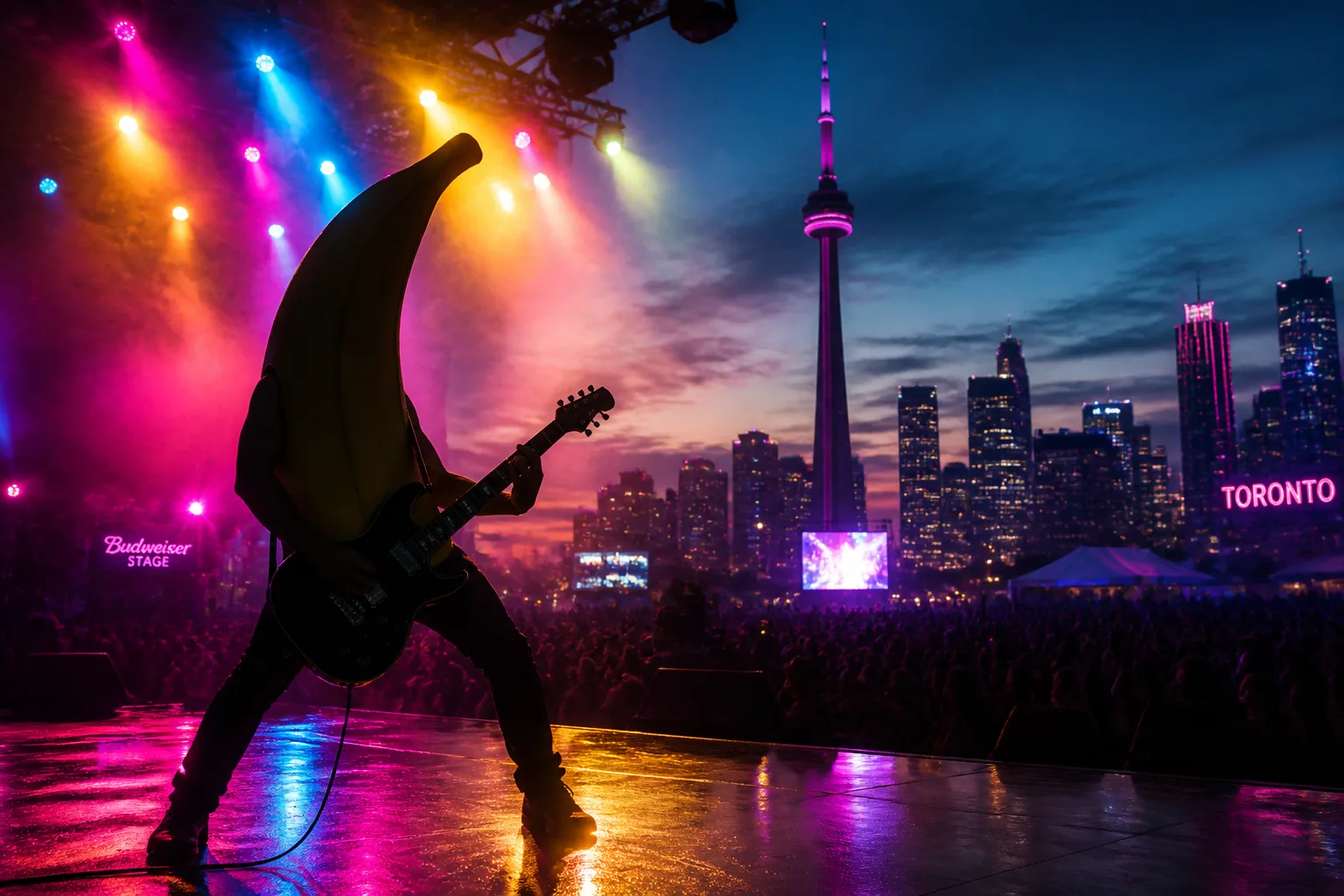
On June 5 2026, a hardcore concert at Toronto’s Lithuanian House drew attention not only for the music but for a confrontation that left a fan in a banana suit on the ground. The show featured American hardcore band Terror, who were touring in support of their new album Still Suffer, and Baltimore‑based hardcore outfit End It. During the event, End It’s frontman Akil Godsey singled out a concertgoer known as Banana Man, a fan named Scott who regularly wears a sparkly banana costume to shows.
Banana Man has a history of crowd‑surfing at major concerts, including a Rise Against show and a System of a Down gig. He posted on Instagram that he has surfed hundreds of people safely and that he has worn three banana suits to date. At the Toronto show, Godsey confronted him on stage, demanding he remove the costume. The bassist added that the audience should “kill” him, and the suit was destroyed in seconds. The headpiece was subsequently tossed around the crowd.
The incident left Banana Man visibly upset. A Reddit user reported that he was sulking after the attack and lamented the loss of his costume. Some fans described him as an attention seeker, while others defended his right to express himself in a non‑conformist way. The event has split the Toronto hardcore community, with some calling the band’s actions a violation of fan safety and others praising the band for maintaining the scene’s traditional confrontational ethos.
The confrontation is not the first time costumes have caused controversy at hardcore shows. The scene has long embraced outlandish dress, from punk‑era “bald caps” to modern “sparkly” outfits. A 2023 Censuswide study found that more than 7.5 million single‑use concert costumes were purchased in the UK each year, costing an estimated 2.7 billion pounds (about $5 billion) during the summer.
The incident also raises questions about crowd safety and the role of performers in protecting fans. While the band’s statement was not released, the PRP article covering the event noted that End It’s members had threatened to tear the costume, a move that some fans described as “unacceptable.” The band’s actions were described as a “bounty” on the fan, and the suit was destroyed in seconds.
The broader context of fan costumes and crowd safety has been a topic of discussion in the music industry. While costumes are a longstanding part of live‑event culture, incidents like the one in Toronto highlight the potential for conflict when performers or other audience members intervene. Industry observers note that clear policies on fan conduct and costume safety could help prevent similar confrontations.
The event also underscores the ongoing debate over the balance between artistic expression and audience safety. While the Toronto hardcore scene has historically embraced a confrontational atmosphere, the destruction of a fan’s costume and the subsequent backlash suggest that the community may need to re‑evaluate its norms.
In the wake of the incident, the Toronto hardcore community remains divided. Some call for stricter guidelines on fan conduct, while others argue that the scene’s authenticity depends on its willingness to confront and challenge its members. The incident has sparked a broader conversation about the place of costume culture in live music and the responsibilities of performers and venues.
The situation remains unresolved, with no official statement from End It or Terror addressing the incident. The event has already prompted discussions across social media and within the hardcore community, but no further actions or policy changes have been announced.
The incident serves as a reminder of the complex dynamics between performers, fans, and venue policies, especially in high‑energy genres where crowd interaction is a core element of the experience.